Kenya’s electric vehicle scene is showing signs of growth. Rideence Africa Limited, a Chinese-backed EV company, is investing KES 320 million (~ $2.5 million) to set up a new electric vehicle assembly line in Mombasa.
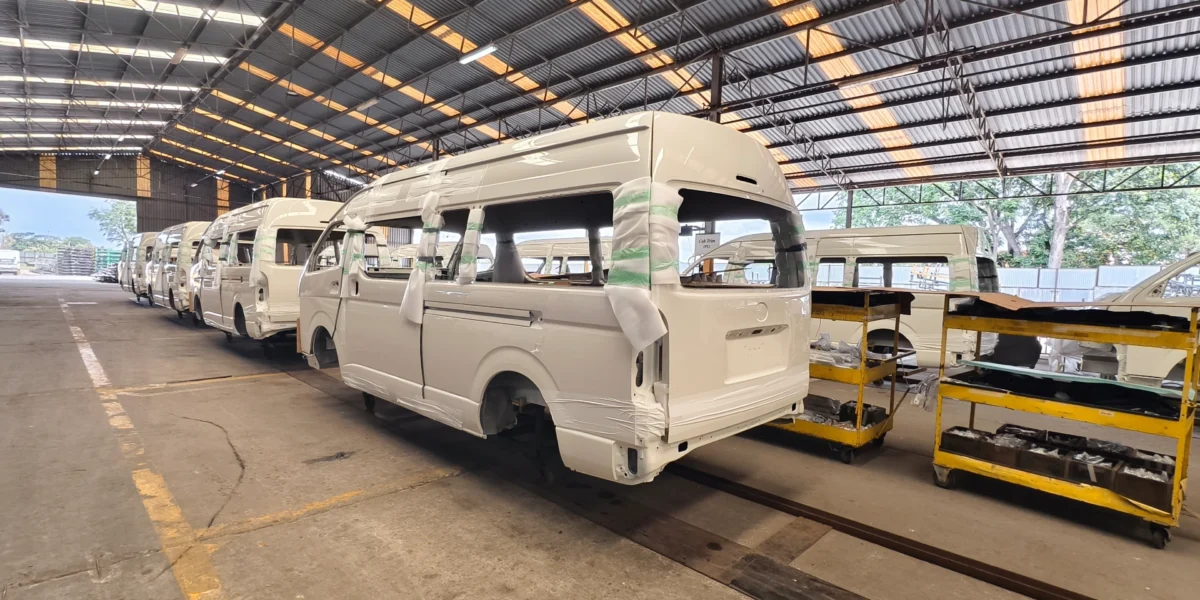
The project is being done in partnership with Associated Vehicle Assemblers (AVA). The new facility will focus on assembling electric hatchbacks, led by the popular Henrey Mincar (Mini Dragon), alongside 16-seater Joylong electric vans designed for public transport.
In the initial phase, the plant will assemble 152 electric vehicles from Completely Knocked-Down (CKD) kits by the end of February 2026, made up of 132 Henrey electric taxi units and 20 Joylong electric high-roof matatus.
READ: Kenya Rolls Out Green Number Plates for Electric Vehicles
One of the most significant impacts of local assembly is the projected 25% reduction in vehicle price. This is primarily due to tax incentives offered by the Kenyan government to companies engaged in local production, allowing Rideence Africa to bypass high import duties on finished vehicles.
This cost reduction is important in making EVs more accessible and competitive with traditional internal combustion engine vehicles, which currently dominate the Kenyan market, often as second-hand imports.
Minnan Yu, the Managing Director of Rideence Africa Limited, explained that the company has already invested more than KES 1.4 billion in Kenya since 2023 and is now shifting its strategy from being purely an operator to becoming a local manufacturer.
“We are moving beyond importing solutions to co-creating them locally, building an ecosystem that addresses Kenya’s specific challenges, from fuel price volatility to the need for skilled jobs,” said Minnan Yu.
READ: Uber Introduces EV Fleet in South Africa as It Plans Global Expansion
The shift is also expected to strengthen the local EV ecosystem by creating skilled jobs, stabilizing transport costs, and reducing reliance on fuel imports.
Furthermore, this investment will likely create a substantial number of jobs, with the new assembly line expected to add at least 3,000 more direct and indirect jobs across manufacturing, supply chains, charging infrastructure, and maintenance services.
AVA Managing Director Matt Lloyd says this partnership has delivered Kenya’s first dedicated electric vehicle assembly line, noting that the country now has the capacity to assemble EVs locally and at scale.
For individual drivers, the adoption of Henrey EVs carries a compelling economic advantage. Rideence operates a lease-to-drive model, where drivers can lease Henrey electric taxis at KES 2,400 per day.
The company estimates that drivers spend about KES 400 to charge a vehicle for up to 200 km, compared with KES 2,000 or more on petrol for the same distance. This results in considerable daily and monthly fuel savings.
This leasing model has seen the company deploying over 180 fully-built EVs from China in the last three years, including 54
matatus and 128 taxis, creating East Africa’s largest electric ride-hailing fleet.
The establishment of the manufacturing plant in Mombasa is hence projected to boost the company’s output by assembling and sourcing these vehicles locally.
READ: Kenya Secures KES 22 Billion Funding from Japan to Power EV Expansion
To support the growing EV fleet, Rideence plans to expand its charging infrastructure from 16 stations to 100 nationwide by the end of 2026. It’s a mitigation against “range anxiety”, which is one of the primary concerns for EV users in the region.
Rideence also wants more Kenyan-made components in its vehicles. By 2026, the company aims to source 15% to 25% of parts locally, with a long-term target of 40% to 60% local products.