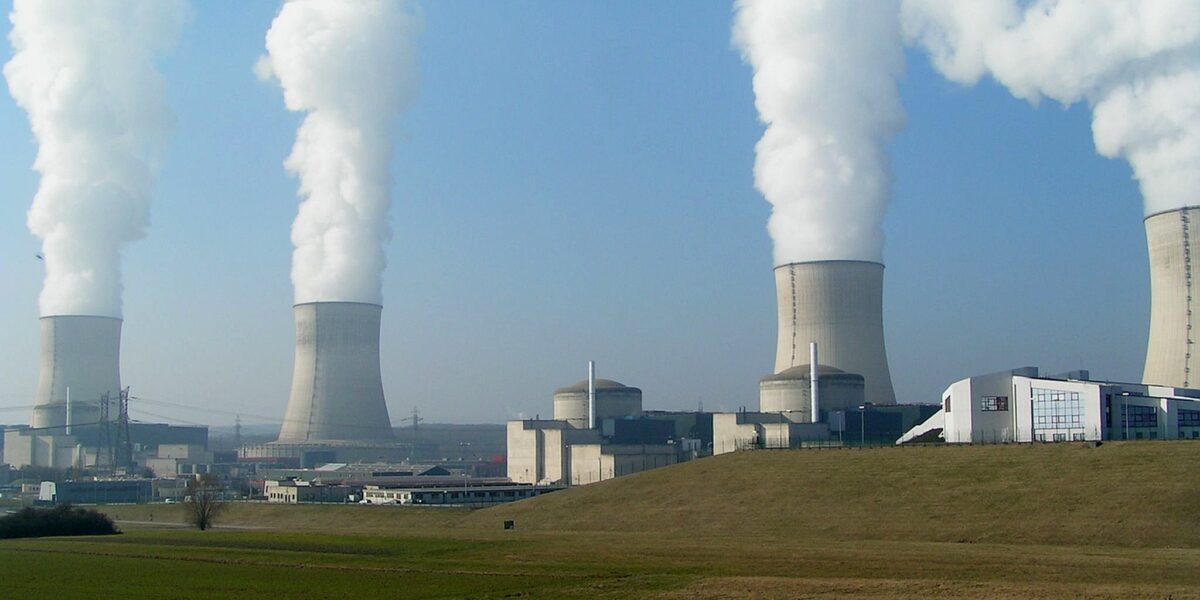

There is a pattern playing out online every time Kenya’s nuclear plant comes up, and it is worth naming directly.
Someone posts about the Siaya project. Within minutes, the comments split into two camps. One side is waving Kenyan flags and talking about energy independence. The other — and this includes a lot of people in the clean energy space, EV drivers, solar advocates, people who genuinely care about the planet — is asking why we are even talking about nuclear when we have all this sun, all this wind, all this geothermal.
The implication is clear: nuclear is the old way. Renewables are the future. Pick one.
That framing is wrong. And if Kenya’s clean energy community accepts it, we will have talked ourselves out of the grid that the EV revolution — and the industrial economy we keep saying we want — actually requires.
First, what Kenya already has
Let’s start with the part that almost never makes it into this debate, because it genuinely deserves celebration before we complicate it.
Kenya already generates approximately 90% of its electricity from renewable sources. Geothermal at Olkaria contributes around 40% of generation. Hydro adds roughly 26%. Wind — led by the Lake Turkana Wind Power Project, the largest wind farm on the continent — contributes 13%. Solar is growing fast.
This is not a developing-world energy story. This is one of the cleanest grids on earth. Kenya sits alongside Iceland and Norway in the rarified territory of nations that have almost entirely decarbonised their electricity supply. The EV you drive here is already, overwhelmingly, charged on clean energy. That is something.
So the question is not: should Kenya abandon its renewable energy leadership?
The question is: what does Kenya need to add to that foundation to power the next phase of its economy?
The problem that solar and wind cannot solve
Here is the part of the energy conversation that gets skipped because it is less exciting than a shiny solar panel or a spinning turbine.
Solar generates electricity when the sun shines. Wind generates electricity when the wind blows. These are not criticisms — they are physics. And for a significant portion of what Kenya needs electricity to do, they are workable. Homes, offices, daytime commercial activity — solar handles this well, and the economics keep improving.
But there is a category of electricity demand that intermittent sources structurally cannot meet on their own: firm, around-the-clock baseload power that industry, hospitals, data centres, and — critically — EV charging infrastructure depend on being there every single hour of every single day, regardless of weather.
Think about what mass EV adoption actually looks like at scale. Tens of thousands of vehicles plugging in every evening. Fleet operators running overnight charging cycles for matatus and delivery vehicles. Public fast chargers that cannot tell a customer to come back when it is sunny. Every single one of those use cases requires power that does not switch off.
Kenya’s current baseload comes primarily from geothermal and hydro. Geothermal is excellent — it runs at over 95% availability, it is clean, it is firm, it is cost-effective. But it has one significant constraint: it is geographically locked to the Rift Valley. You cannot move a geothermal resource. You drill where the earth is hot, and in Kenya, that is the Rift.
Hydro is the other baseload source — but as anyone watching the news over the last several years knows, drought cuts hydro output significantly. Climate change is making this worse, not better. Depending on rain-fed rivers for baseload power in an era of increasing climate volatility is not a robust strategy.
What nuclear actually adds
A 2,000 MW nuclear plant in Siaya does not replace any of the above. It adds to it.
It adds firm, weather-independent, drought-independent baseload power sited in western Kenya — a completely different geography from the Rift Valley geothermal fields. That geographic diversification matters. A grid that concentrates all its baseload generation in one region is vulnerable to localised transmission failures, to political disruption, to natural events. Spreading firm generation across the country makes the whole system more resilient.
It adds scale. Kenya’s current installed capacity is around 3,300 MW. Ambitious projections for EV uptake, industrial growth, and data centre expansion push demand well beyond what existing and planned renewable capacity can reliably meet. The geothermal expansion plans are real and important — KenGen has Olkaria VII coming, more wells planned — but geothermal alone cannot close the gap at the pace that industrialisation requires.
And it adds something intangible but significant: the ability to export. The Eastern Africa Power Pool connects thirteen countries. A Kenya with surplus generation capacity becomes a regional energy hub — selling clean power to neighbours, denominated in hard currency, building the kind of economic leverage that oil exporters have traditionally held. Nuclear, combined with Kenya’s renewable base, makes that export story credible.
The carbon question
For the clean energy community, this one matters.
Nuclear power produces approximately 12 grams of CO₂ equivalent per kilowatt-hour over its full lifecycle — including construction, fuel processing, and decommissioning. For comparison: solar PV produces around 20–50 grams, wind around 7–15 grams, and coal produces around 820 grams.
Nuclear sits firmly within the clean energy category by any scientific definition. The IPCC includes it in its decarbonisation pathways. The EU taxonomy classifies it as a green investment under specific conditions. The International Energy Agency’s net-zero scenarios require nuclear capacity to roughly double globally by 2050.
The concern is not carbon. The concerns are waste, cost, and safety — all of which are real, all of which deserve honest engagement, and none of which put nuclear outside the clean energy tent.
The grid that EVs actually need
Here is the electric.ke angle that does not get made enough.
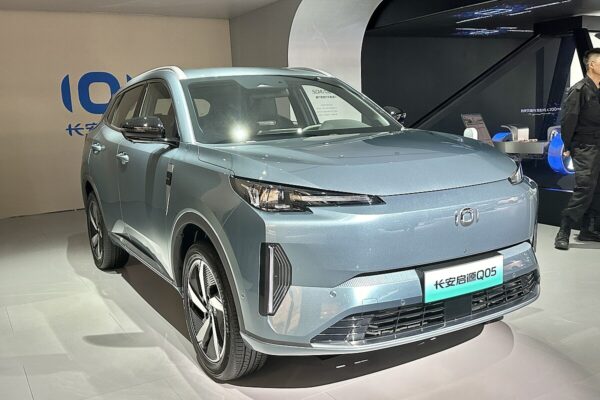
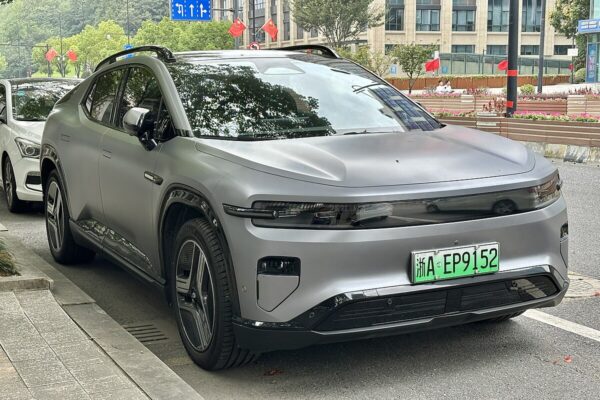
Right now, Kenya has about 50,000 registered electric vehicles. The government target is one million by 2030 — an aggressive number, but directionally correct as a policy ambition. Each of those vehicles needs electricity. Not sometimes. Not when the conditions are right. Every day, reliably, from a grid that can absorb the load without rationing.
At 22 US cents per unit — the current Kenyan residential rate — EV economics work, but they don’t sing. The cost advantage over petrol is real but modest. The business case for public charging operators is tight.
At 4–5 cents per unit — the projected output cost of the Siaya nuclear plant — the calculation transforms entirely. EV running costs become so dramatically cheaper than petrol that the conversation stops being about early adopters and starts being about obvious financial logic. Fast charging operators can price competitively and make real margin. Fleet electrification for matatus and boda bodas becomes the cheaper option, not the greener option that costs more.
The EV transition in Kenya does not just need cars. It needs the grid those cars charge on to be reliable, clean, and cheap. Nuclear is a significant part of how that grid gets built.
The false choice, rejected
So: solar or nuclear?
The question itself is the problem. Kenya does not face that choice. The real question is what combination of clean energy sources builds the most resilient, most affordable, most scalable grid for an industrialising East African economy.
The answer almost certainly includes more geothermal, more wind, more solar, more storage — and nuclear. Not instead of the others. Alongside them.
The countries that have figured out clean, reliable, cheap electricity at national scale are not the ones that picked one source and went all in. They are the ones that built layered systems with different sources covering different needs. France, which has the cheapest electricity in Western Europe, built nuclear for baseload and hydro for flexibility. Norway pairs hydro with imports. South Korea built nuclear, then built one of the most successful industrial economies in history on the back of it.
Kenya has better renewable resources than almost any of those countries. What it lacks is the firm baseload layer that makes the whole system work when the weather doesn’t cooperate, when demand spikes, when a million EVs plug in at seven in the evening.
Nuclear is not the enemy of the clean energy transition. In Kenya’s specific situation, with its specific grid geography, its specific demand trajectory, and its specific industrial ambitions, it might be one of the things that makes the transition stick.
One condition
None of this is an argument for the Siaya project as currently structured, on the current timeline, with the current gaps in environmental assessment and community consent.
The plant’s projected cost of $3.8 billion is highly optimistic against global benchmarks where nuclear routinely overruns by 100–200%. The environmental questions about Lake Victoria’s fisheries are real and require closed-cycle cooling as a contractual, non-negotiable design condition — not a government promise. The communities of Siaya County, including the Luo Council of Elders, have raised legitimate concerns that deserve genuine answers, not town hall theatre.
The clean energy community — EV drivers, solar advocates, everyone reading electric.ke — should be the loudest voices demanding that those conditions are met. Not because we oppose the project. Because we have the most to gain from a grid that is clean, reliable, affordable, and built on honest science rather than political momentum.
Support nuclear. Demand everything.
What do you think? Is nuclear the missing piece in Kenya’s clean energy puzzle — or is there a better path? Drop your take in the comments.