Cheche Electric Motorcycle Goes Live in Nairobi with 12 Battery-Swapping Stations
A Kenya-Ghana-China partnership puts a locally assembled electric motorcycle and battery infrastructure on Nairobi's roads at the same time.

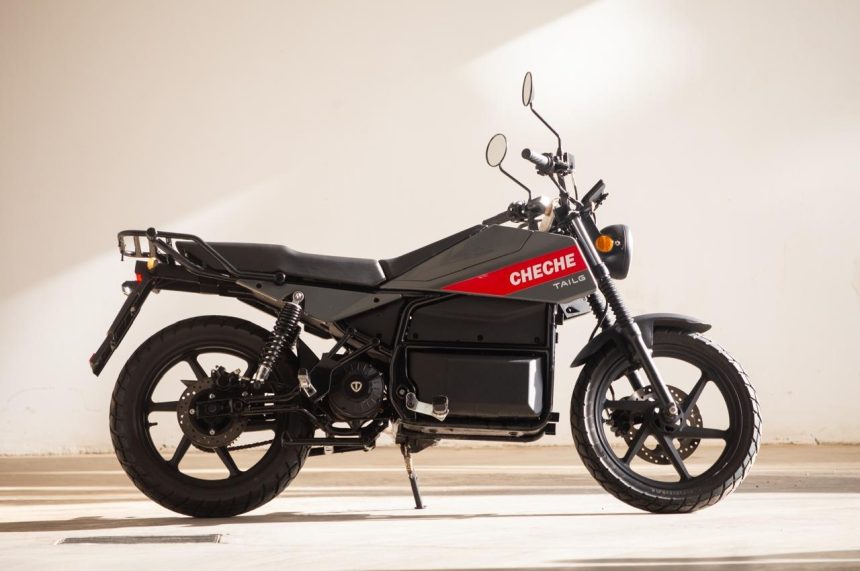
Kenya’s electric two-wheeler market just got another serious contender. Autopax, in partnership with Ghanaian battery technology firm Kofa and Chinese motorcycle manufacturer TailG, has launched the Cheche electric motorcycle in Nairobi alongside a network of 12 battery-swapping stations.
The launch is significant not just because of the motorcycle itself, but because of what comes with it. Instead of selling a bike and leaving riders to figure out charging on their own, the three-way partnership bundles the motorcycle, the batteries, and the swapping infrastructure into a single system. For the boda boda riders who form the backbone of Kenya’s last-mile transport, the pitch is simple: ride in, swap your battery in under two minutes, ride out.
The numbers behind the launch
The 12 stations are spread across Nairobi and surrounding areas, with the Karen facility serving as the flagship location. Behind the scenes, approximately 1,200 batteries are in rotation, calibrated to support an initial fleet of 500 motorcycles. That works out to just over two batteries per bike in the system, a ratio that should mean a charged battery is available at any station when a rider pulls in.
The batteries themselves are Kofa’s Kore2 units, the same ones powering the company’s Swap & Go network in Ghana. Each Cheche motorcycle takes two batteries. Together, they provide a range of up to 100km per full charge, which is enough for a full working day of urban riding for most commercial operators.
What makes the Cheche different
The Cheche was not designed in a vacuum. Kofa spent four years developing the motorcycle in Ghana, where it is sold under the name “Jidi.” TailG, which is one of China’s largest electric two-wheeler manufacturers, handles the manufacturing. In Kenya, Autopax assembles the bikes locally and adapts them for the domestic market.
Two features stand out. The first is the dual independent battery system. Unlike motorcycles that run on a single battery, the Cheche keeps running on one battery even if the other is depleted. For a delivery rider mid-route, this means the difference between completing a job and being stranded. The second is the Combined Braking System, which distributes braking force across both wheels. This is a safety feature designed for the reality of Nairobi riding, where heavy loads, potholes, and unpredictable traffic are all part of a normal day.
The bike is also built to carry weight. Specifications from the original partnership announcement put the maximum payload at 250kg, which is important for a market where boda bodas routinely carry passengers plus cargo.
The economics of switching
Why would a boda boda rider switch from a petrol motorcycle to an electric one? The answer, increasingly, is money.
With petrol prices in Kenya projected at KES 231 per litre, the daily fuel cost for a commercial motorcycle rider easily exceeds KES 500 to KES 1,000 depending on the route and distance covered. Electric motorcycles can cut running costs by 60 to 70 per cent. Over a year, that saving can amount to hundreds of thousands of shillings, money that goes directly back into a rider’s pocket or household.
The battery-swapping model adds another advantage: no upfront investment in a home charger, no electricity bill spike, and no overnight wait. The rider pays for each swap or subscribes to a plan, and the energy cost is baked into the swap fee. For riders who do not have stable access to mains electricity at home, this model removes a major barrier to going electric.
Where this fits in Kenya’s EV landscape
The Cheche enters a market that is growing but still fragmented. Roam sells electric motorcycles with home charging. ARC Ride operates what it calls Africa’s largest automated battery-swapping network, with roughly 170 stations in Nairobi. Spiro offers a battery-as-a-service model that drew controversy over its rigid terms. Bolt and M-KOPA have partnered to deploy 5,000 electric bikes through a lease model using Roam and Ampersand hardware.
Each approach has trade-offs. Home charging is cheaper but slow. Swapping is fast but ties riders to a station network. Leasing makes bikes affordable but adds a monthly obligation. What Autopax is attempting with Cheche is to own the entire stack: the bike, the battery, and the station.
If that integration works, it could mean faster issue resolution, consistent quality, and a more predictable rider experience. If it does not, it risks creating the same kind of closed ecosystem that generated backlash against other players.
What to watch
Autopax describes this as a move from pilot projects to scalable deployment. Their previous product, the Air EV Yetu electric car, targeted a different segment of the market. The Cheche is their first serious play for the two-wheeler market, where the volumes are massive. With over 1.4 million registered motorcycles in Kenya and a boda boda economy generating an estimated KES 1 billion daily, even a small percentage of conversions represents meaningful scale.
The next few months will reveal whether 12 stations can serve 500 motorcycles without bottlenecks, how riders respond to the swap pricing, and whether Autopax can expand station coverage fast enough to match demand. For Kenya’s electric mobility transition, every new entrant that gets the model right accelerates the shift. And with fuel costs climbing, riders are listening.