
Africa Global Logistics Moves Beyond ESG Pledges With On-the-Ground Results Across the Continent

For many companies operating in Africa, environmental, social and governance commitments remain largely confined to annual reports and investor presentations. Africa Global Logistics (AGL) is making the case that they don’t have to.
The pan-African logistics giant is pointing to a growing list of concrete outcomes, solar-powered depots, electric terminal equipment, cross-border trade corridors and youth entrepreneurship programmes, as evidence that its sustainability strategy is producing real change rather than simply satisfying disclosure requirements.
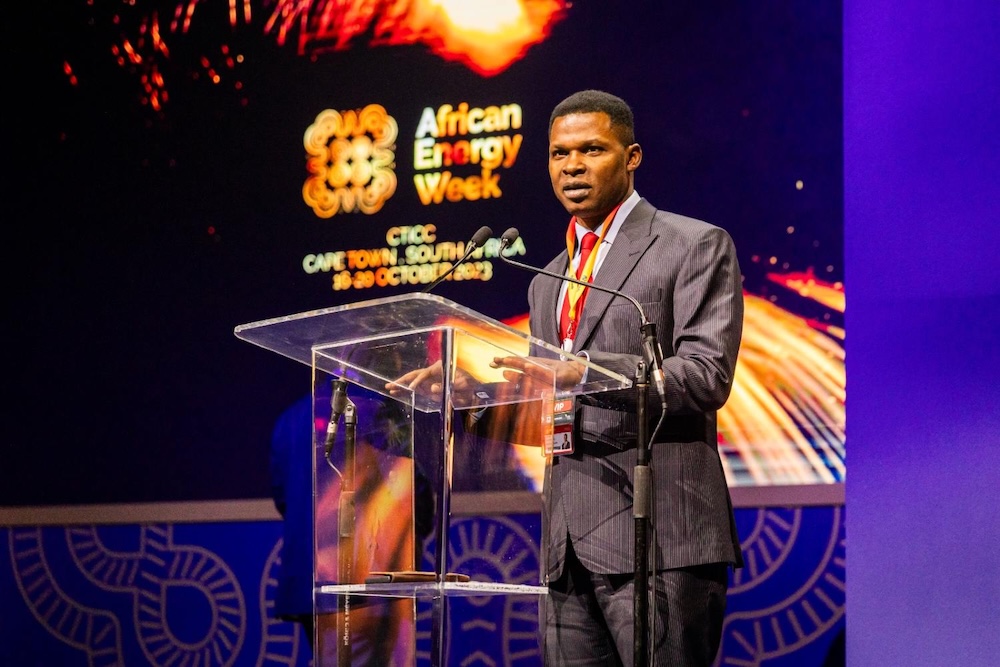
“Companies like AGL are helping shape that future by investing in logistics systems that support trade, create opportunities for communities and reduce environmental impact,” said NJ Ayuk, Executive Chairman of the African Energy Chamber.
AGL’s sustainability framework rests on three pillars: decarbonising logistics operations, fostering inclusive trade, and addressing social challenges across the markets in which it operates.
On the environmental front, the company has identified nine priority areas for reducing greenhouse gas emissions, with a focus on transitioning away from fossil fuels and broader electrification of its operations. Two of its depots in Zambia now run entirely on solar energy, while all terminal equipment in Ivory Coast has been electrified. Thirteen AGL-operated terminals have received Green Terminal Status in recognition of their contributions to the energy transition.
The inclusive trade pillar speaks directly to one of Africa’s most persistent economic bottlenecks: fragmented logistics infrastructure that keeps inland producers cut off from export markets. AGL has responded by developing more than 40 logistics corridors and 66 dry ports across the continent. Among the most notable recent additions is the Kribi Industrial Zone (KPIZ) in Cameroon — a 520 billion FCFA development launched in March 2026 that integrates transport, energy, water and telecommunications networks. The company also operates the Lobito Corridor Terminal, connecting the Lobito Railway to international markets.
On the social side, AGL has aligned its policies with the UN Global Compact and invested in workforce development initiatives. A standout example is a hackathon programme launched in Ivory Coast in partnership with the MSC Foundation and the Horn Foundation, aimed at backing young entrepreneurs tackling sustainable development and logistics challenges. In 2024, AGL also partnered with the French African Foundation to identify and nurture the next generation of African and French leaders driving lasting impact.
AGL will bring its sustainability story to African Energy Week: Invest in African Energies (AEW) 2026, scheduled for October 12–16 in Cape Town, where the company is a Diamond Sponsor and official Logistics Partner. The annual gathering of governments, investors and industry operators is expected to provide a platform for scrutinising whether corporate ESG commitments translate into the kind of developmental outcomes Africa’s economies need.
For AGL, that scrutiny may be welcome. With infrastructure gaps continuing to constrain trade and energy access across the continent, the logistics sector’s ability to demonstrate tangible progress — not just polished sustainability reports, is increasingly seen as a competitive and reputational differentiator.
Whether AGL’s model becomes a benchmark for the broader industry may depend on how many of its peers are prepared to follow suit.