
Nairobi Rivers Commission and Communities Forge Consensus on Regeneration Program

The Nairobi Rivers Commission (NRC) and representatives from the Kangemi and Dagoretti communities have reached a significant consensus on the future implementation of the Nairobi Rivers Regeneration Program (NRRP), committing to a collaborative and inclusive approach that respects local interests.
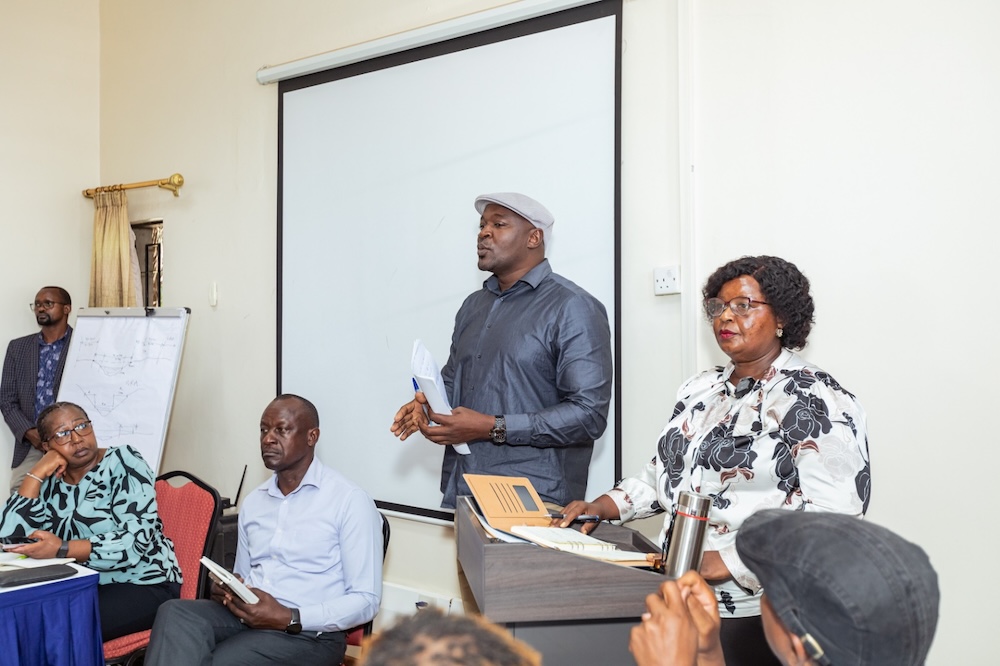
The landmark agreement was forged during a consultative community engagement meeting held on November 10, 2025, at the NRC Boardroom, coordinated by Hon. Antony Karanja, MCA for Waithaka and Minority Leader of the Nairobi City County Government. Key attendees included local MCA’s and landowners, underscoring a joint commitment to advancing the NRRP while safeguarding community rights.
Participants agreed on the necessity for continuous public engagement and joint planning concerning riparian areas, development regulations, and Special Planning Area (SPA) guidelines. Lt. Col. Kahigu Njoroge, Project Manager for the NRRP, emphasized the commitment to legal due process, assuring landowners: “We will work with Water Resources Authority, NEMA, and other agencies together with landowners to determine the true high-water mark and the correct riparian. That is the proper process.” He confirmed that existing laws clearly define the difference between public and private land interests on riparian land and what limits apply to development. The policies emerging from the SPA process will guide what can or cannot be built close to the river.
The NRRP is crucial for tackling Nairobi’s urban crisis. The city’s aging sewerage system, designed decades ago for a fraction of the current 5.3 million residents, is grossly inadequate. This, alongside the encroachment of riparian reserves and irregular construction, leads to severe illegal sewage discharge and waterway pollution, which threatens public health. The program aims for comprehensive river rehabilitation and sustainable urban planning.
Bishop Wanjiru, Chairperson of the NRC, welcomed the collaborative spirit, noting: “We have had positive and insightful engagements with the communities from Kangemi and Dagoretti. We have agreed to re-examine the laws governing NRRP’s work that were of distress to them with the intention of reviewing them with public participation, such as the SPA.” She stressed the project is fundamentally a climate action project and an ecosystem restoration effort, ensuring communities are co-owners and beneficiaries.
Hon. Antony Karanja reinforced the need for sustained, localized engagement: “From here, we will move to shorter spans where you live. Together with the Nairobi Rivers Team, we will organize even smaller citizen engagement meetings.”
The forum concluded with a shared message that the NRRP’s success depends on balancing infrastructure development, environmental conservation, and community rights to create a more livable Nairobi for all.