
IFC Pushes for Mobilization of Africa’s Domestic Capital to Drive Sustainable Growth

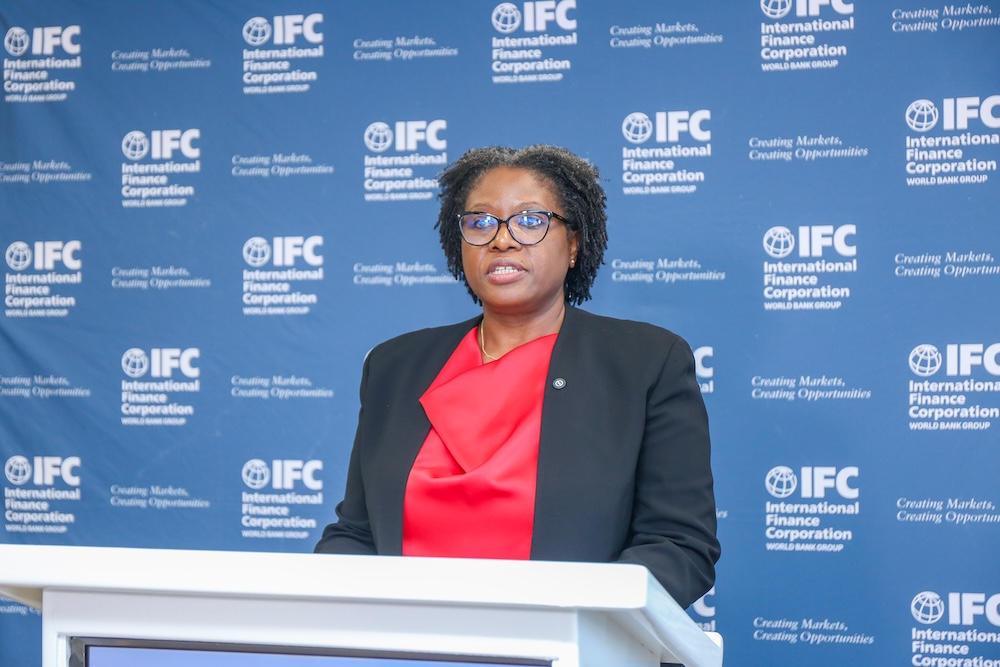
The International Finance Corporation (IFC) has called for Africa’s financial sector to play a greater role in mobilizing domestic resources to fuel sustainable development. Speaking at a press roundtable in Nairobi, IFC’s Vice President for Africa, Ethiopis Tafara, emphasized the urgency of unlocking private capital at scale to meet the continent’s growth and job creation needs.
The roundtable comes ahead of the Africa Financial Summit (AFIS), set for November 3–4 in Casablanca, Morocco, co-hosted by IFC and Jeune Afrique Media Groupe. The summit will explore how African financial institutions and markets can accelerate investment into critical sectors such as energy, infrastructure, agribusiness, and digital connectivity.
“Across Africa, our priority is to unlock private capital at a scale that can truly transform economies,” said Tafara. “The need is urgent — millions of young people enter the workforce every year, and we must create more jobs faster than ever before. That means going beyond what development institutions can finance alone and creating the right conditions for investors to back ventures that drive inclusive growth.”
Appointed in May 2025, Tafara leads IFC’s $17 billion Africa portfolio from its Nairobi hub, overseeing nearly 800 staff across the continent. His strategic focus includes expanding finance for micro, small, and medium enterprises (MSMEs), accelerating renewable energy deployment, supporting digital infrastructure for microbusinesses, strengthening agribusiness and food security, and advising governments on sustainable infrastructure and climate resilience.
In Kenya, IFC holds an investment portfolio valued at $1.3 billion as of August 2025. These investments are creating jobs, boosting manufacturing, enhancing energy access, expanding digital services, and supporting agribusiness. IFC is also running $65 million in advisory programs to attract private investment into housing, agriculture, manufacturing, and small businesses. Through initiatives like AgriConnect, IFC is helping farmers tap into new markets and raise productivity, while the M300 program is supporting Kenya’s goal of achieving 100% renewable energy by 2030.
The Nairobi press roundtable highlighted IFC’s ambition to help create investable asset classes across Africa, deepen regional integration, and foster a climate where both local and international investors can confidently deploy capital. Tafara underscored that this approach is central to ensuring inclusive, private sector-led growth and building resilience against climate and economic shocks.
“As we prepare for AFIS in November, the message is clear: Africa has the capital, the talent, and the markets. What we need now is to channel those resources effectively to unlock Africa’s sustainable future,” Tafara concluded.