Petrol Hits KES 207 as Running Cost Gap Between Fuel and Electric Widens Further
The government cut VAT and spent KES 6.2 billion to hold prices down. It still was not enough. The structural case for electric mobility is now louder than ever.

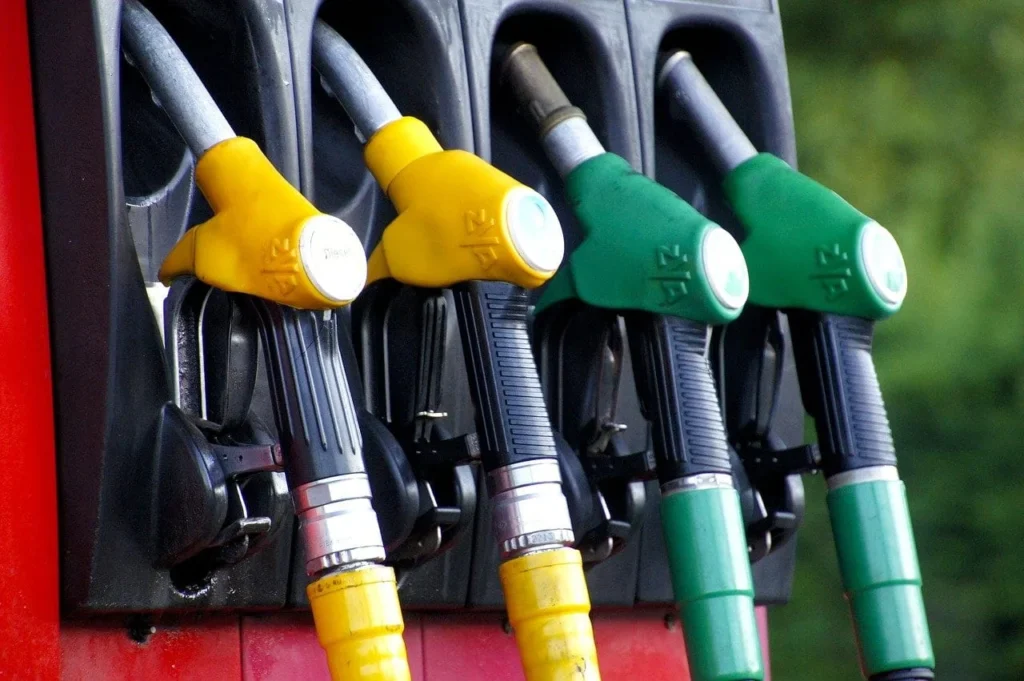
The Energy and Petroleum Regulatory Authority (EPRA) has announced new maximum retail fuel prices for the period 15th April to 14th May 2026. In Nairobi, Super Petrol rises by KES 28.69 per litre to KES 206.97. Diesel climbs by KES 40.30 to KES 206.84. Kerosene remains unchanged at KES 152.78.
Last week, we ran the numbers on what petrol at KES 231 would mean for the economics of electric vehicles. The actual figure came in lower than the worst-case scenario, but only because the government intervened aggressively. The underlying cost pressures are just as severe as dealers warned, and the structural argument for electric mobility has not changed. If anything, this review reinforces it.
What the government did
Two measures brought the prices down from where they would have been.
First, National Treasury Cabinet Secretary John Mbadi Ng’ongo signed Legal Notice No. 69 on 14th April 2026, reducing Value Added Tax on Super Petrol, Diesel, and Kerosene from 16% to 13%. This is temporary. It runs from 15th April to 14th July 2026.
Second, the government is deploying approximately KES 6.2 billion from the Petroleum Development Levy (PDL) Fund to absorb price shocks. According to EPRA’s Nairobi price breakdown, the stabilisation mechanism is absorbing KES 4.68 per litre on Super Petrol, KES 23.92 on Diesel, and a remarkable KES 108.10 per litre on Kerosene. Without this intervention, kerosene would have cost roughly KES 260 per litre and diesel approximately KES 231.
These are emergency tools, not permanent fixes. The VAT cut expires in three months. The PDL fund is finite. Treasury CS Mbadi has previously acknowledged that the KES 17 billion set aside for stabilisation cannot fully absorb a prolonged price shock. With KES 6.2 billion spent in a single cycle, the runway is shrinking.
Why it happened
The cause is the same structural vulnerability we have written about before. Kenya imports 100% of its refined petroleum from the Middle East. It holds no strategic reserve. The country currently has roughly 16 days of petrol stocks and 19 days of diesel.
The landed cost of imported Super Petrol surged 41.53% in a single month. Diesel jumped 68.72%. Kerosene more than doubled, rising 105.15%. These cargoes were priced during the peak of the Strait of Hormuz disruption, which has cut through roughly 20% of global oil supply.
This is not an anomaly. It is the pattern. The 2022 Ukraine-Russia conflict sent Kenyan pump prices above KES 200 for the first time. The 2023 crisis pushed prices beyond that and brought fuel queues back to Nairobi. Now the 2026 Iran-related conflict is doing it again. Each time, the shock catches Kenya’s import-dependent fuel supply chain with no buffer.
Every one of these crises makes the same point: a transport system that runs entirely on imported fossil fuels is structurally exposed to events happening thousands of kilometres away.
What it means for EV running costs
Let us update the comparison from last week’s analysis using today’s actual figures instead of the projected KES 231.
At KES 206.97 per litre of petrol, a typical fuel-efficient hatchback (Toyota Vitz, Mazda Demio) averaging 12 km per litre costs approximately KES 17.25 per kilometre.
A Nissan Leaf, the most common EV on Kenyan roads, consumes roughly 0.175 kWh per kilometre. Charged at home on Kenya Power’s domestic tariff of KES 16 to 20 per kWh, that comes to about KES 2.80 to KES 3.50 per kilometre. On the e-mobility tariff (KES 8/kWh during off-peak), the cost drops to roughly KES 1.40 per kilometre.
The ratios are still stark: a petrol car now costs between five and twelve times more to run per kilometre than an EV, depending on how you charge.
For a driver covering 1,500 km per month in Nairobi, the monthly fuel bill at KES 207 per litre works out to approximately KES 25,875. The same distance in a Leaf charged at home costs roughly KES 4,200 to KES 5,250. That is a monthly saving of around KES 20,600 to KES 21,675, or approximately KES 247,000 to KES 260,000 per year.
For commercial riders, the savings are even more pronounced. A petrol boda boda covering 100 km per day at roughly 40 km per litre spends about KES 517 daily on fuel. The Cheche electric motorcycle, which launched in Nairobi last week with 12 battery-swapping stations, eliminates that cost entirely in exchange for a swap fee that Autopax and Kofa have designed to undercut petrol. At KES 207 per litre, the breakeven case for switching has shortened considerably.
The diesel problem is everyone’s problem
The diesel increase deserves particular attention. At KES 40.30 per litre, it is the steepest single-product increase in this review. Diesel powers matatus, long-haul trucks, agricultural machinery, and backup generators. Its price feeds directly into food costs, transport fares, and the cost of goods across the country.
Petrol and diesel are now essentially the same price in Nairobi, at KES 206.97 and KES 206.84 respectively. Historically, diesel has been considerably cheaper. The near-convergence reflects how disproportionately the global price shock has hit diesel, whose landed cost rose nearly 69% in a single month.
For fleet operators and public transport providers considering electric alternatives like BasiGo’s electric buses or Roam’s electric vehicles, every KES increase in diesel strengthens the total cost of ownership argument. The vehicles are more expensive upfront, but the per-kilometre fuel saving now accumulates faster than it did even a month ago.
What to watch
Three things will determine whether this crisis accelerates or stalls Kenya’s EV transition.
The first is the VAT cut expiry on 14th July. If global oil prices remain elevated, the government must choose between extending relief and losing revenue, or reverting to 16% and pushing pump prices even higher. Either way, it underscores the fragility of a tax system built around fossil fuel consumption.
The second is charging infrastructure. The savings only materialise if drivers can charge reliably. Kenya Power’s planned 45-charger rollout across six counties is a start, but coverage remains concentrated in Nairobi. For the EV transition to move beyond early adopters, charging access needs to expand into county capitals and along major highways.
The third is the PDL fund itself. Every shilling the government spends subsidising fossil fuel consumption is a shilling not invested in the infrastructure that would reduce dependence on fossil fuels. The KES 6.2 billion deployed this cycle could have funded substantial public charging networks, battery-swapping infrastructure for electric boda bodas, or concessional finance for EV purchases. That is not a criticism of the decision to cushion consumers today. It is an observation about the opportunity cost of a transport system that requires perpetual emergency intervention.