Kenya Debuts National E-Mobility Policy to Reduce Pollution

The global shift toward electric vehicles (EVs) is gaining momentum, and Kenya is leading the way in Africa, thanks to the recently launched National Electric Mobility Policy.
This policy appears to be a well-considered response to pressing environmental, economic, and social challenges and should be treated that way if its goals are to be achieved.
Kenya’s transport sector is a key driver of socio-economic growth, but it has also been a major source of greenhouse gas emissions and air pollution. Additionally, its heavy reliance on imported petroleum products adds significantly to the country’s import costs.
Electric mobility offers a dual solution: mitigating environmental damage by eliminating exhaust pipe emissions while at the same time reducing reliance on fossil fuels.
READ: Kenya Rolls Out Green Number Plates for Electric Vehicles
This transition is especially viable for Kenya, where nearly 90% of installed electricity capacity already comes from renewable sources such as geothermal, hydro, solar, and wind.
The policy also seeks to utilize off-peak surplus energy for EV charging, transforming a potential grid management challenge into an opportunity to enhance energy efficiency and grid stability.
Obviously, the success of any national policy depends on how well it fits local conditions. Kenya’s E-Mobility Policy stands out because it goes beyond a generic framework to address the country’s specific social, economic, and environmental needs.
The policy’s deliberate focus on electrifying these high-usage, high-emission segments is a pragmatic and impactful strategy. Kenya’s urban transport landscape is characterized by the widespread use of two-wheeled bodabodas and matatus.
By targeting these vehicles, which often operate intensively in urban areas, the policy can achieve considerable reductions in localized air pollution and noise, directly improving public health and urban living quality.
The rapid growth in electric motorcycle registrations, which largely drives the overall EV market expansion, indicates the effectiveness of this targeted approach.
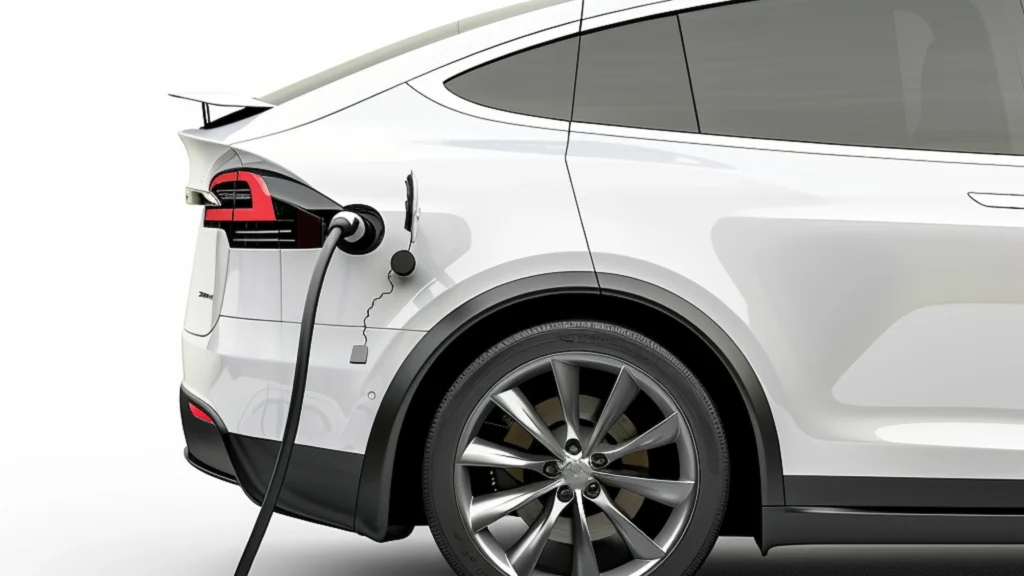
One thing that will determine EV adoption is the availability of robust charging infrastructure. The policy has set out an ambitious target of installing 10,000 public charging stations by 2030.
To accelerate this, the 2024 National Building Code will come into play with its policy requiring at least 5% of parking spaces in all new commercial buildings to be reserved for EV charging. This, if fully implemented, will be a game changer and an accelerator to EV adoption.
Another element in the policy is its emphasis on close collaboration with Kenya Power, the national utility, to ensure the electricity grid can reliably support the increased demand from EVs.
Plans include installing 45 charging stations across six counties and integrating smart charging solutions and Vehicle-to-Grid (V2G) technologies to manage load effectively and enhance grid stability.